


Cooling needs across Northern California have evolved rapidly in recent years. Longer heat waves, rising average summer temperatures, and increasing energy costs have made reliable air conditioning a necessity rather than a luxury. For homeowners in the Bay Area—especially those living in older homes, planning additions, or building accessory dwelling units (ADUs)—choosing the right cooling system can feel overwhelming.
Two of the most common options are ductless mini-split systems and traditional central air conditioning. While both systems are capable of keeping a home comfortable, they serve very different purposes and work best in different situations. Older Bay Area homes often lack modern ductwork, while additions and ADUs may be structurally disconnected from the main house. These factors make system selection particularly important.
This guide compares mini-split systems and central AC with a specific focus on Northern California climates. We’ll look at installation considerations, energy efficiency, comfort, aesthetics, and long-term ownership costs. Throughout, we’ll reference how Jazz Heating, Air & Plumbing supports homeowners with air conditioning services, ductless split system installations, and ductwork evaluations to ensure each system performs as intended.
Cooling Challenges Unique to Northern California Homes
Northern California’s housing stock presents challenges rarely found in newer developments elsewhere. Many Bay Area homes were built long before air conditioning became standard. As a result, they may have no ductwork at all, or duct systems that were designed only for heating and are poorly suited for modern cooling demands.
Climate variability also plays a major role. Coastal fog, inland heat, elevation changes, and solar exposure can create significant temperature differences between rooms, floors, or separate structures on the same property. Additions and ADUs often experience even more extreme temperature swings because they may lack insulation depth or benefit from different sun exposure.
Because of these factors, cooling solutions must be flexible, efficient, and carefully matched to the structure—not simply chosen based on square footage.
What Is a Ductless Mini-Split System?
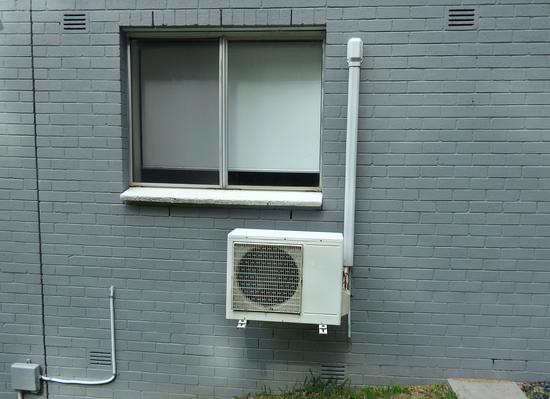
A ductless mini-split system consists of an outdoor compressor connected to one or more indoor air-handling units. Instead of relying on ductwork, each indoor unit delivers cooled air directly into the space it serves. These systems are designed for flexibility and efficiency, making them especially popular in Northern California.
Mini-splits are commonly installed in:
- Older homes without existing ductwork
- ADUs and in-law units
- Home additions and garage conversions
- Rooms with persistent comfort issues
Each indoor unit operates independently, allowing homeowners to control temperatures room by room.
Key Advantages of Mini-Split Systems
- No ductwork required
- Zoned cooling with individual controls
- High energy efficiency ratings
- Quiet indoor and outdoor operation
- Compact, flexible installation options
Jazz Heating, Air & Plumbing specializes in ductless split system installation and service, helping homeowners add cooling where traditional systems are impractical.
What Is Central Air Conditioning?
Central air conditioning uses a single outdoor unit connected to an air handler or furnace that distributes cooled air through a network of ducts. It is designed to cool an entire home evenly using one primary system.
Central AC works best in:
- Homes with existing ductwork
- Larger single-family residences
- Homes undergoing major remodels
- Properties with existing forced-air heating
Core Features of Central AC
- Whole-home cooling from one system
- Clean interior appearance with hidden components
- Centralized thermostat control
- Compatibility with existing furnaces
Jazz provides complete air conditioning services for central AC systems, including installation, inspections, maintenance, and ductwork improvements.
Installation Considerations: Structural Reality vs Ideal Scenarios
Installation complexity is often the deciding factor when comparing mini-splits and central AC—particularly in older Bay Area homes.
Installing Mini-Splits in Older Homes, Additions, and ADUs
Mini-splits are ideal for spaces where installing ductwork would require extensive demolition. Because refrigerant lines are small and flexible, installation typically involves minimal wall penetration and limited disruption to the home.
This makes mini-splits an excellent choice for:
- Historic homes with preserved finishes
- ADUs built as detached structures
- Additions without attic or crawl space access
- Homes with limited ceiling height
In many cases, installation can be completed in a matter of days, making mini-splits one of the least invasive cooling options available.
Installing Central AC in Existing Bay Area Homes
Central AC installation becomes more complex when ductwork is absent or outdated. Adding ducts often means opening walls, ceilings, or floors—something many homeowners prefer to avoid.
However, central AC may still be the right choice when:
- The home already has ducts in reasonable condition
- A furnace is already installed and compatible
- Homeowners want whole-home cooling consistency
Jazz’s ductwork inspection services help determine whether existing ducts can support central AC efficiently or if upgrades are needed.
Energy Efficiency and Utility Costs
Energy efficiency is a major concern for Northern California homeowners, particularly as electricity rates continue to rise.
Why Mini-Splits Excel in Efficiency
Mini-split systems avoid the energy losses associated with ductwork, which can account for a significant percentage of wasted cooling in older homes. Their inverter-driven compressors adjust output in real time, using only the energy needed to maintain comfort.
Zoned operation allows homeowners to cool only the spaces they use, reducing unnecessary energy consumption. This makes mini-splits especially cost-effective for:
- ADUs with intermittent occupancy
- Home offices or guest rooms
- Multi-story homes with uneven cooling needs
Central AC Efficiency Depends on System Design
Central AC can be efficient when properly designed, installed, and maintained. However, older duct systems common in Bay Area homes often suffer from leaks, poor insulation, or improper sizing.
Jazz Heating, Air & Plumbing offers duct sealing and air conditioning maintenance services that help improve central AC efficiency and reduce long-term operating costs.
Comfort and Temperature Control
Comfort is about more than reaching a target temperature. It includes consistency, responsiveness, noise levels, and individual preferences.
Comfort Advantages of Mini-Splits
Mini-splits provide precise temperature control in each zone, making them ideal for households with different comfort needs. They respond quickly to changes in outdoor temperature and are particularly effective in spaces with high sun exposure or poor insulation.
Additional comfort benefits include:
- Reduced hot and cold spots
- Quiet indoor operation
- Less system strain during peak demand
Comfort Advantages of Central AC
Central air delivers consistent cooling throughout the home when properly balanced. Many homeowners appreciate the simplicity of a single thermostat and the absence of visible indoor units.
For families that occupy most of the home throughout the day, central AC can provide a predictable and uniform indoor environment.
Aesthetic and Design Considerations
Visual impact can influence system choice, especially in architecturally distinctive Bay Area homes.
Mini-split indoor units are visible, though modern designs are slimmer and more discreet than earlier models. Options include wall-mounted, ceiling-mounted, or recessed units that minimize visual presence.
Central AC keeps equipment largely hidden, with only vents and returns visible. This appeals to homeowners who prefer a traditional interior appearance.
Jazz works closely with homeowners to balance comfort, efficiency, and design preferences when selecting a system.
Maintenance and Long-Term Reliability
Both mini-splits and central AC systems require routine maintenance to perform efficiently and reliably.
Mini-Split Maintenance Requirements
- Regular filter cleaning
- Indoor coil and blower inspection
- Outdoor unit clearance
Central AC Maintenance Requirements
- Filter replacement
- Coil cleaning
- Duct inspection and sealing
- System performance testing
Jazz Heating, Air & Plumbing provides ongoing air conditioning maintenance services for both system types, helping homeowners avoid unexpected repairs and extend equipment lifespan.
When Mini-Splits Are the Better Choice
Mini-split systems are often the best solution when:
- Cooling an ADU, addition, or converted garage
- Retrofitting an older home without ductwork
- Addressing room-specific comfort issues
- Maximizing efficiency through zoning
They are particularly popular in Bay Area neighborhoods with older homes where flexibility and minimal disruption are priorities.
When Central AC Makes More Sense
Central air is typically the better option when:
- The home already has usable ductwork
- Whole-home cooling is the goal
- A furnace is already installed
- Homeowners prefer a unified system
With proper ductwork evaluation and upgrades, central AC can provide reliable comfort even in older Northern California homes.
Hybrid Cooling: A Common Bay Area Solution
Many Northern California homeowners find that a hybrid approach offers the best of both worlds. Central AC can handle the main living areas, while mini-splits provide targeted cooling for additions, ADUs, or problem rooms.
Jazz Heating, Air & Plumbing frequently designs hybrid systems that maximize comfort and efficiency without unnecessary renovation.
Choosing the Right Cooling Solution for Your Northern California Home
There is no universal answer when deciding between mini-split systems and central air conditioning. The right choice depends on your home’s age, layout, existing infrastructure, and how each space is used.
Jazz Heating, Air & Plumbing helps homeowners throughout the Bay Area evaluate their options, assess ductwork condition, and design cooling solutions that fit both immediate needs and long-term plans.
With professional guidance, proper installation, and routine maintenance, both mini-splits and central AC can deliver dependable, efficient cooling—keeping your Northern California home comfortable through every heat wave and every season ahead.