


When your air conditioner starts blowing warm air in the middle of a Northern California heatwave, it’s more than just inconvenient—it’s uncomfortable, frustrating, and potentially costly. But before you assume the worst, there are a few common issues that might be causing the problem—and some of them are easier to fix than you’d think.Here are seven quick troubleshooting tips that could help you get your cool air back—faster.
1. Check Your Thermostat Settings
It might sound obvious, but this is one of the most common culprits. If your thermostat is set to “On” instead of “Auto,” the fan will blow continuously—even when the system isn’t cooling.Quick Fix:
Make sure it’s set to “Cool” mode and the fan is on “Auto.” Also, check the temperature setting to ensure it’s below your current room temp.
2. Inspect the Air Filter
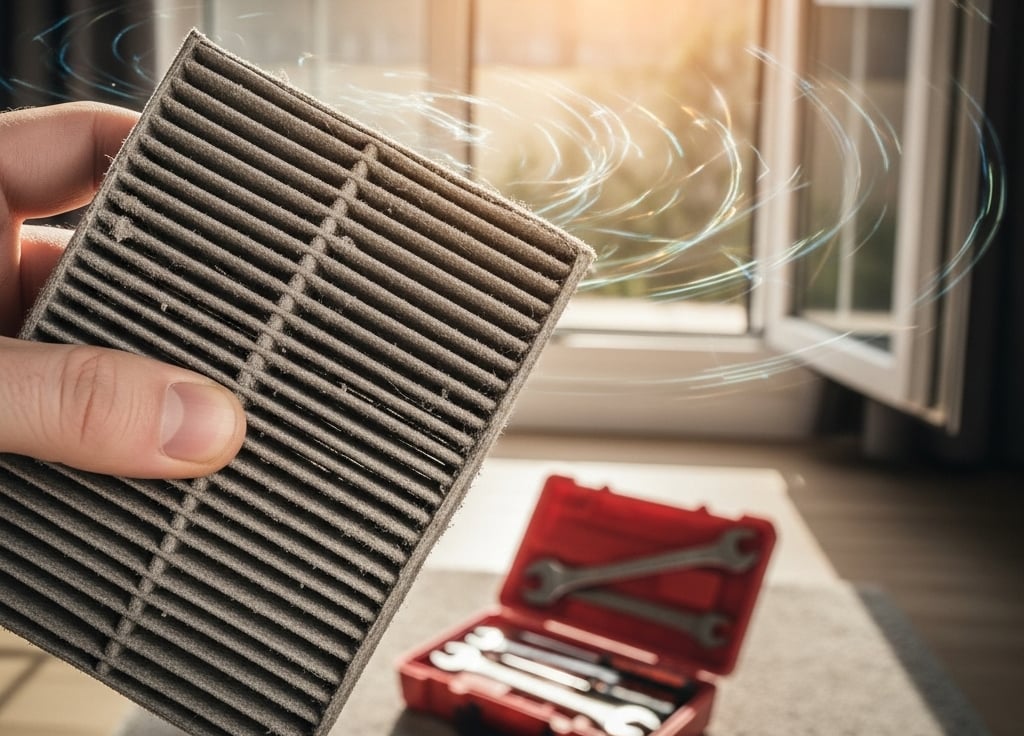
A dirty or clogged air filter restricts airflow and can cause your system to overheat or freeze up, especially during high-demand periods.
Quick Fix:
Take a look at the filter. If it’s dusty, gray, or hasn’t been changed in the past 30–60 days, it’s time for a replacement.
Pro Tip: In smoke-prone regions like Sonoma and Napa, filters may need to be replaced more frequently during fire season.
3. Look for Tripped Circuit Breakers
Your AC has two parts: the indoor air handler and the outdoor condenser unit. If the outdoor unit loses power due to a tripped breaker, the indoor fan might still run—circulating warm air.Quick Fix:
Check your home’s electrical panel. If the AC breaker is tripped, reset it once. If it trips again, you may have a larger electrical issue.
4. Examine the Outdoor Unit
Leaves, debris, or overgrown plants around the condenser unit can block airflow and limit cooling capacity. A dirty or damaged coil can also cause the system to overheat.Quick Fix:
Gently clean away debris and clear at least two feet of space around the unit. If the fins are bent or the coil looks damaged, call a professional.
5. Check for Ice on the Refrigerant Line
Low refrigerant levels or restricted airflow can cause the indoor evaporator coil to freeze, reducing cooling output and sometimes completely blocking airflow.Quick Fix:
If you see ice buildup on the refrigerant line, turn the system off and let it thaw for several hours. Then call an HVAC technician to inspect for leaks or airflow problems.
6. Inspect the Air Vents
Blocked or closed vents can make rooms feel warm even if the system is working elsewhere. This can trick you into thinking the AC isn’t functioning at all.Quick Fix:
Ensure all supply and return vents are open and unblocked by furniture, rugs, or curtains.
7. Consider Your AC’s Age and Maintenance History
If your system is more than 10 years old and hasn’t had regular maintenance, it could be losing efficiency—or nearing the end of its lifespan. Quick Fix:
If the above steps don’t help, it’s time to schedule a professional diagnostic. A licensed HVAC technician can assess refrigerant levels, check for system wear, and recommend repairs or replacement if needed.
When to Call the Pros
If your AC is still blowing warm air after you’ve checked the basics, don’t wait for it to get worse. Warm air could indicate refrigerant leaks, compressor problems, or electrical failures—issues that require licensed expertise. At Jazz Heating, Air Conditioning and Plumbing, we respond quickly to AC problems across Northern California, and we’re always upfront about what you need (and what you don’t).
Stay Cool with Jazz Heating, Air Conditioning, and Plumbing
Whether it’s a dirty filter or a failing compressor, our team is here to restore your comfort with fast, honest AC service. We’ve helped homeowners from Concord to Berkeley stay cool—and we’re ready to help you too.
Call Jazz Heating, Air Conditioning, and Plumbing today to schedule your AC repair or seasonal tune-up — and enjoy real relief from the heat.