


Few things are more frustrating for homeowners than uneven temperatures. One room feels like a sauna while another stays stubbornly cold. You adjust the thermostat, but nothing seems to help—except higher energy bills. Many Northern California homeowners assume this means their HVAC system is failing or undersized, but in reality, hot-and-cold rooms are usually caused by airflow and distribution issues, not the equipment itself.
From older Bay Area homes with aging ductwork to newer houses with poorly designed airflow layouts, uneven temperatures are common across the region. The good news is that most comfort problems can be corrected without replacing your heating or air conditioning system. With targeted fixes, professional inspections, and proper system adjustments, homeowners can dramatically improve comfort while extending the life of their existing equipment.
This guide explains the most common causes of hot-and-cold rooms, practical steps homeowners can take, and when it’s time to call in a professional. We’ll also explore how services from Jazz Heating, Air & Plumbing—including ductwork evaluation, indoor air quality solutions, air conditioning, and heating services—help restore consistent comfort throughout Northern California homes.
Why Uneven Temperatures Are So Common in Northern California Homes
Northern California homes face unique challenges that contribute to uneven heating and cooling. Many Bay Area houses were built decades before central air conditioning became common. Ductwork was often added later, designed primarily for heating, or installed with limited consideration for modern cooling demands.
In addition, local climate patterns create temperature swings that stress HVAC systems. Coastal fog, inland heat, elevation changes, and sun exposure can all affect how different rooms gain or lose heat. Additions, remodeled spaces, and converted garages often have insulation and airflow needs that differ from the original structure.
Because of these factors, even a well-maintained HVAC system can struggle to deliver consistent comfort if airflow is restricted or poorly balanced.
Common Causes of Hot-and-Cold Rooms
Understanding the root cause is the first step toward fixing uneven temperatures. In most cases, the issue lies in how air moves through the home—not the HVAC unit itself.
Duct Leaks and Air Loss
Leaky ducts are one of the most common causes of uneven temperatures. Over time, duct joints can loosen, seals can fail, and insulation can deteriorate. When conditioned air escapes into attics, crawl spaces, or walls, less air reaches the rooms that need it.
Older homes in Northern California are especially prone to duct leakage, particularly if the ductwork has never been inspected or sealed.
Poor Duct Design or Layout
Some homes simply weren’t designed with balanced airflow in mind. Long duct runs, sharp bends, or undersized ducts can limit airflow to certain rooms—often those farthest from the HVAC system.
Second-story rooms, back bedrooms, and converted spaces are common problem areas when duct design doesn’t match the home’s layout or usage.
Dirty or Clogged Air Filters
A dirty air filter restricts airflow throughout the entire system. When airflow is reduced, rooms that already receive marginal airflow are affected the most. This can exaggerate temperature differences and force the system to run longer.
Many homeowners underestimate how quickly filters become clogged, especially in homes with pets, allergies, or nearby construction.
Closed or Blocked Vents
Closing vents in unused rooms might seem like a smart way to redirect airflow, but it often backfires. HVAC systems are designed for a specific amount of airflow. Closing vents increases pressure in the duct system, reducing overall efficiency and worsening comfort issues elsewhere.
Furniture, rugs, and drapes can also block vents unintentionally, limiting airflow into certain rooms.
Thermostat Placement Problems
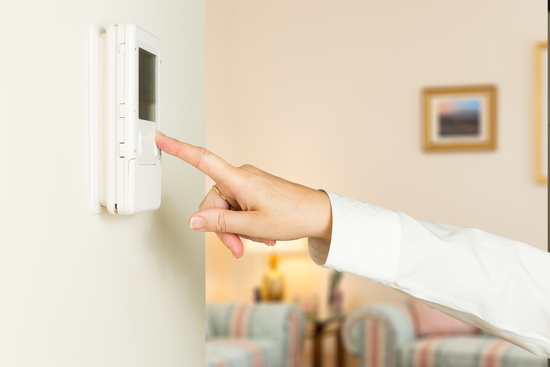
The thermostat controls the entire system based on the temperature in one location. If it’s placed near a draft, window, hallway, or heat source, it may not reflect the average temperature of the home.
As a result, some rooms may be overcooled or overheated before the thermostat senses a need to shut the system off.
Practical Fixes Homeowners Can Try First
Before calling a professional, there are several simple steps homeowners can take to address uneven temperatures.
Replace or Clean Air Filters Regularly
Start with the easiest fix. Replace disposable filters or clean reusable ones every one to three months, depending on usage and indoor conditions. Improved airflow alone can make a noticeable difference in room-to-room comfort.
Check and Open All Supply and Return Vents
Ensure all vents are fully open and unobstructed. Move furniture, rugs, or curtains that may be blocking airflow. Check that return vents are also clear, as restricted returns can affect system balance.
Use Fans to Improve Air Circulation
Ceiling fans and portable fans help mix air within rooms, reducing hot and cold spots. Fans are especially helpful in rooms with high ceilings or limited duct airflow.
Adjust Register Direction, Not Closure
Instead of closing vents, adjust the direction of airflow using the register louvers. This can help push air further into the room or redirect it away from walls and ceilings.
Seal Obvious Air Leaks in the Room
Drafty windows, gaps around doors, and poorly sealed wall penetrations allow conditioned air to escape. Weatherstripping and basic sealing can improve comfort without touching the HVAC system.
When DIY Fixes Aren’t Enough
If basic adjustments don’t resolve the problem, the issue is likely deeper within the duct system or HVAC design.
Signs It’s Time to Call a Professional
- Persistent hot or cold rooms year-round
- Weak airflow from certain vents
- Large temperature differences between floors
- Rising energy bills without increased usage
- No improvement after filter changes and vent checks
These symptoms often indicate duct leakage, poor airflow balance, or system design limitations that require professional evaluation.
Ductwork Inspection: The Foundation of Even Comfort
A professional ductwork inspection identifies leaks, restrictions, and design flaws that homeowners can’t see. Technicians assess duct sizing, layout, sealing, and insulation to determine how air moves through the home.
Jazz Heating, Air & Plumbing provides detailed ductwork inspections to uncover hidden issues that contribute to uneven temperatures. Sealing leaks and improving insulation can dramatically increase comfort without replacing the HVAC system.
Air Balancing: Fine-Tuning Your Existing System
Air balancing is the process of adjusting airflow so each room receives the right amount of conditioned air. This may involve:
- Adjusting dampers within the duct system
- Modifying register airflow settings
- Correcting pressure imbalances
Air balancing is especially effective in homes where some rooms consistently feel uncomfortable despite proper system operation.
Jazz technicians use specialized tools to measure airflow and make precise adjustments that improve comfort throughout the home.
Zoning Solutions for Persistent Comfort Issues
In some homes, uneven temperatures are caused by fundamentally different cooling and heating needs across spaces—such as upstairs bedrooms versus downstairs living areas.
Zoning systems divide the home into separate comfort zones, each controlled independently. While zoning involves upgrades, it often avoids full system replacement and provides long-term comfort improvements.
Jazz Heating, Air & Plumbing evaluates whether zoning is a practical solution based on your existing system, ductwork, and comfort goals.
The Role of Indoor Air Quality in Temperature Comfort
Indoor air quality (IAQ) plays a surprisingly important role in comfort. Poor airflow, dust buildup, and clogged filters reduce system efficiency and exacerbate temperature differences.
Jazz offers indoor air quality services, including filtration upgrades and airflow improvements, that support even temperature distribution and healthier indoor environments.
Heating and Cooling System Performance Matters
While uneven temperatures are rarely caused by a failing HVAC system alone, system performance still matters. Dirty coils, improper refrigerant levels, or aging components can limit airflow and output.
Jazz provides professional air conditioning and heating services to ensure systems operate efficiently and respond properly to airflow adjustments.
Why Replacing the System Isn’t Usually the Answer
Many homeowners are told they need a new HVAC system when the real issue is airflow. Replacing equipment without addressing ductwork or airflow problems often results in the same uneven temperatures—only at a higher cost.
Addressing the root cause first allows homeowners to maximize comfort while extending the life of their existing system.
How Jazz Heating, Air & Plumbing Helps Restore Comfort
Jazz Heating, Air & Plumbing takes a whole-home approach to comfort. Their services include:
- Ductwork inspection and sealing
- Air balancing and airflow optimization
- Indoor air quality solutions
- Air conditioning performance tuning
- Heating system inspections and service
By addressing airflow, distribution, and system performance together, Jazz helps Northern California homeowners fix hot-and-cold rooms without unnecessary replacements.
A More Comfortable Home Starts with the Right Solutions
Uneven temperatures don’t have to be a permanent problem. In most cases, the solution lies in airflow—not new equipment. With simple homeowner adjustments, targeted ductwork improvements, and professional balancing, it’s possible to achieve consistent comfort throughout your home.
For Northern California homeowners dealing with hot-and-cold rooms, working with experienced professionals makes all the difference. Jazz Heating, Air & Plumbing helps homeowners identify the real causes of uneven temperatures and implement solutions that improve comfort, efficiency, and peace of mind—without replacing the entire system.
By focusing on airflow, design, and maintenance, you can enjoy a more comfortable home in every season.